
Center for Integrative Psychiatry
Become a Certified Integrative Psychiatry Professional (IPP-C) in a 6-Month Self-Paced Program.
Unify your approach to symptoms & experiences, labs, pharmaceuticals, nutraceuticals, psychotherapy, and lifestyle interventions.
Created by Dr. Nicholas Hatcher, a psychiatric clinician and educator.
Enroll NowYour academic program has introduced you to the technical skills of clinical practice embedded in the dominant biomedical model.
Using reductive logic to apprehend, isolate, and categorize parts of human experience and synthesize a derivative plan of care is an essential and foundational skill.
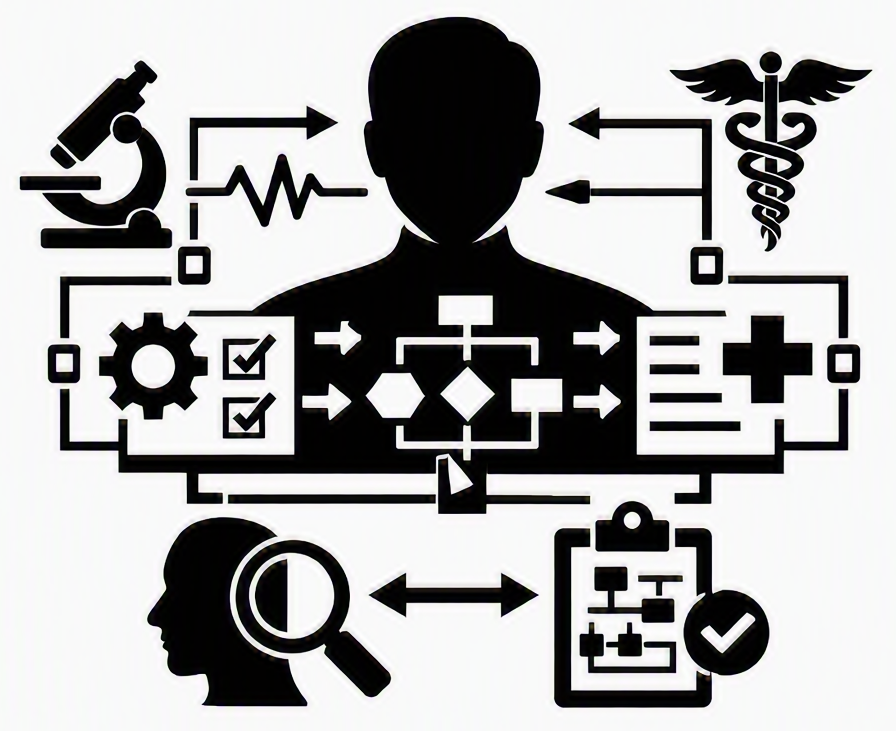

This is Integrative Psychiatry...
Where the biomedical model unites with the philosophy and practice of holism... Where "doing" and "being", reduction and expansion, come together in a rhythmic dance. Here, we can synthesize a more comprehensive, yet personalized, plan of care.
Expand on Practical Skills

Diagnosis & Diagnostics
Effectively navigate through differential diagnosis considerations and include advanced lab and diagnostic testing.

Pharmaceuticals & Nutraceuticals
Explore the nuances of evidence-based treatment options and how to navigate them.

Lifestyle Modification
Incorporate lifestyle strategies effectively to support engagement in mental wellbeing.

Psychotherapy Techniques
Tailor techniques to each individual based on what has been demonstrated to work.
Organized Meaningfully
All content is organized into meaningful domains that effectively guide an integrative psychiatry formulation.
1. Behavior
All human beings are in a continually unfolding process of becoming whole, where we co-create our reality in relationship with the environment. In this process, behavior coalesces into lifestyle domains that can be apprehended on the interface between the individual and environment.


3. Body
The psyche rests at least in part on a somatic base. In our efforts to co-create meaning, we examine the roots of our experience in the vessel within which it is contained. Here we work to support and optimize interconnected systems through advanced labs and diagnostics to nurture experiential processing and expand upon the meaning structure.
Get Started Now

An In Depth Curriculum
Over 100 presentations covering essential topics. Take a look below!
-
1. Basics: An Introduction
5 lessons-
Introduction to the Program
- Program Overview
- What is Integrative Psychiatry?
-
Advancing Diagnostic Reasoning
- Examine the Diagnostic Reasoning Process
- Explore Frameworks in Psychiatry
-
An Integrative Model of Care
- Discover a New Way Forward
-
-
2. Behavior: Examining the Lifestyle Architecture
23 lessons-
Intro & Approaching Behavioral Change
- Behavioral Neuroscience
- Genetics of Human Behavior
- Behavioral Analysis
- Behavioral Transformation
-
Work
- Work and Self-Expression
-
Environment
- Social Determinants of Health
- Planetary & Environmental Health
- Environmental Exposure Testing
-
Leisure
- Leisure and Play
-
Love & Loss
- Attachment Theory
- Attachment & Relationship
-
Nutrition
- Carbohydrates
- Proteins
- Fats
-
Exercise
- Intro to Exercise
- Mechanisms of Exercise
-
Sleep
- Sleep: Working with the Architecture
- Dream Interpretation: Making the Unconscious Conscious
-
Substances & Addiction
- Addiction
-
Spiritual Practices
- Introduction to Spirituality
- Presence
- Separation vs Connection
- Framing
-
-
3. Brain: Hearing the Message
30 lessons-
Neurotransmitters
- Introduction to Neurotransmission
- Neurotransmitter Evaluation
- Cellular Communication
-
Monoaminergic Reuptake Blockers
- Selective Serotonin Reuptake Inhibitors (SSRIs)
- Serotonin-Norepinephrine Reuptake Inhibitors (SNRIs)
- Tricyclic Antidepressants (TCAs)
- Monoamine Oxidase Inhibitors (MAOIs)
- Norepinephrine-Dopamine Reuptake Inhibitors (NDRIs)
- Monoaminergic Alternatives
- S-Adenosylmethionine (SAMe)
-
Dopamine Receptor Blockers
- First-Generation Antipsychotics (FGAs)
- Second-Generation Antipsychotics (SGAs)
- Clozapine
- Long-Acting Injections (LAIs)
- Dyskinesias
-
Anxiolytics
- Anxiolytic Pharmaceuticals
- Anxiolytic Nutraceuticals
-
Executive Impairment Agents
- Executive Impairment Pharmaceuticals
- Executive Impairment Nutraceuticals
- Omega-3 Fatty Acids (O3FAs)
-
Mood Stabilizers
- Mood Stabilizers
-
Sleep Agents
- Sleep Agents
-
Psychedelics
- Introduction to Psychedelics
- Ketamine
- Psilocybin
- MDMA
- Ayahuasca
-
Multi-Ingredient Formulas (MIFs)
- Multi-Ingredient Formulas (MIFs) Part 1: Introduction
- Multi-Ingredient Formulas (MIFs) Part 2: Two Options
- Multi-Ingredient Formulas (MIFs) Part 3: Clinical Considerations
-
-
4. Body: Bringing it to the Body
25 lessons-
Functional Laboratory Analysis
- Complete Blood Count (CBC)
- Comprehensive Metabolic Panel (CMP)
-
Hypothalamic-Pituitary-Adrenal (HPA) Axis
- Analyzing the HPA Axis
-
Hypothalamic-Pituitary-Gonadal (HPG) Axis
- Analyzing the HPG Axis
-
Gut-Brain Axis (GBA)
- Introduction to the GBA & the 4 R's
- Remove Part 1: Bugs
- Remove Part 2: Allergens & Sensitivities
- Remove Part 3: Detoxification
- Replace
- Reinoculate
- Repair
-
Hypothalamic-Pituitary-Thyroid (HPT) Axis & Metabolics
- Analyzing the HPT Axis
- Mitochondrial Functioning
- Oxidative Stress
- Metabolic Syndrome
-
Immune-Brain Axis (IBA)
- Analyzing the IBA
- Histamine
-
Micronutrients (MCNs)
- Introduction to Micronutrients
- Vitamin D
- Iron Panel
- Magnesium
-
Epigenetics & Advanced Psychogenetics
- Incorporating Psychogenetic Testing
- Beyond Pharmaceuticals with 3x4 Genetic Testing
- Methylation
-
Organic Acid Testing (OAT)
- Analyzing the OAT
-
-
5. Beyond: Putting it All Together
24 lessons-
Psychological Emergencies
- Delirium
- Catatonia
- Suicidality and Self-Directed Harm
- Capacity Evaluation
-
Organic & Somatoform Considerations
- Organic and Somatoform Disorders
-
Substance-Induced Influences
- Introduction
- Substance-Induced Neuropsychiatric States
-
Psychosis
- Introduction to Psychosis
- Psychosis Pathogenesis
- Exploring Underlying Causes
- Management Considerations
-
Mania
- An Introduction
-
Anxiety
- An Introduction
-
Depression
- An Introduction
-
Cognitive
- ADHD
- Autism Spectrum
- Neurocognitive Disorders
-
Personality
- Conceptualizing Personality
-
Trauma
- Conceptualizing Trauma
- Evaluation
- Management
-
Translation & Quality Improvement Science
- Translate Research into Practice
- Change and Improve Practice Processes
-
Get Certified!
- Certified Integrative Psychiatric Professional (IPP-C) Exam
-
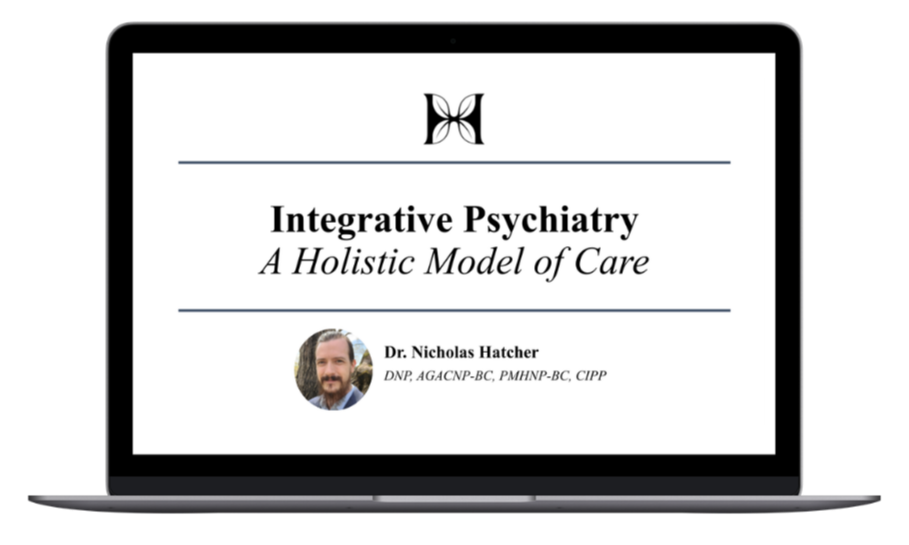
All in One Place!
Get instant access to the full library of content with a single, 3-payment, or 6-payment plan:
✔ 100+ presentations
✔ Downloadable notes
✔ Concise content summaries
✔ Clinical algorithms and guides
✔ Community access to connect with others
✔ Continuing education opportunities
✔ App availability to take it all on the go
Get Started NowGet Certified!
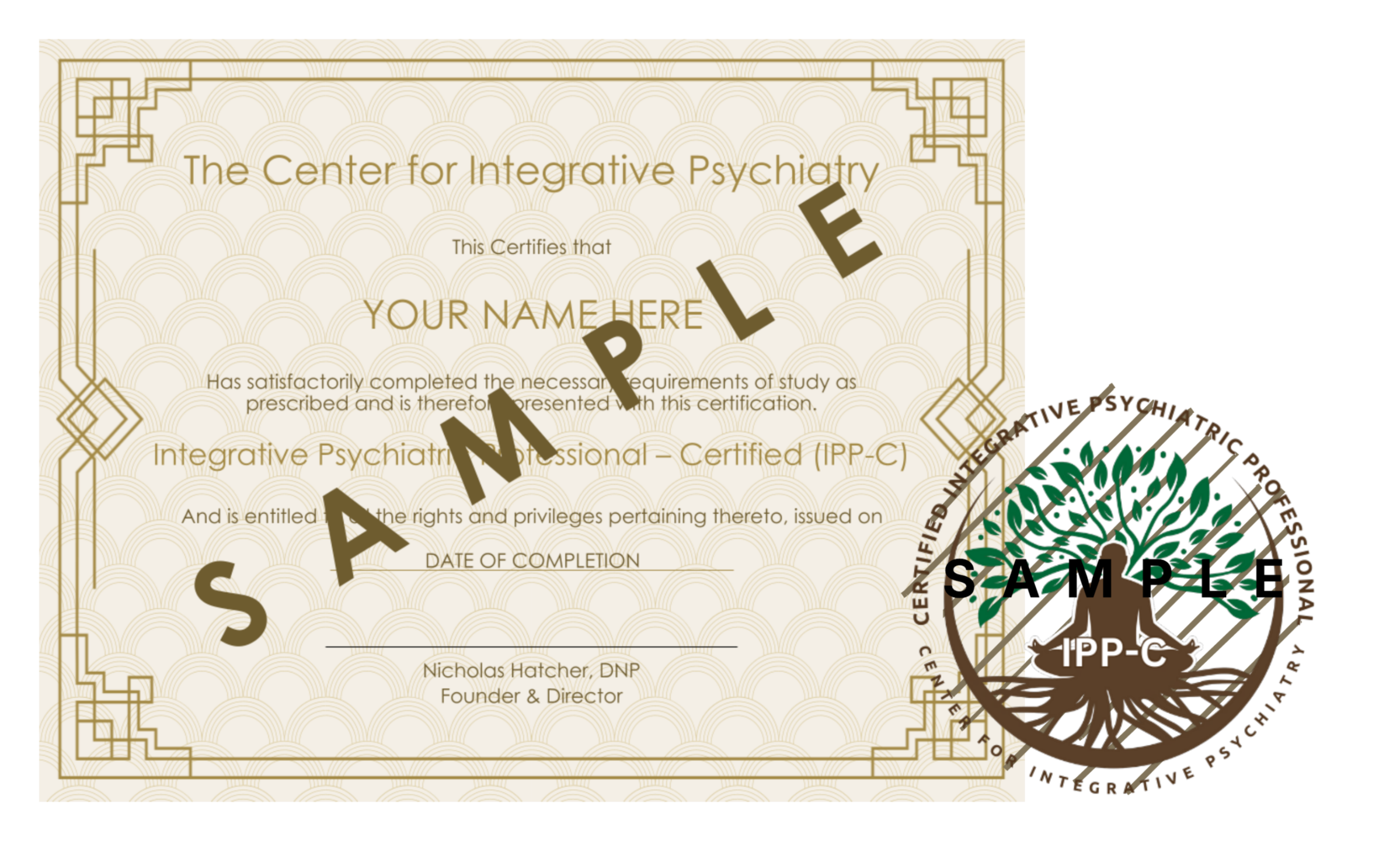
After successful completion of the final exam with a score of 80% or higher, you will be awarded continuing education credits and the title of Certified Integrative Psychiatry Professional (IPP-C).
Meet the Instructor
Dr. Nicholas Hatcher is a Doctor of Nursing Practice (DNP) and dually board-certified acute care (AGACNP) and psychiatric mental health Nurse Practitioner (PMHNP). He completed his acute care and doctoral education and training at Vanderbilt University in Nashville, Tennessee. He then completed a post-doctoral degree in psychiatry at Johns Hopkins University in Baltimore, Maryland.
Read More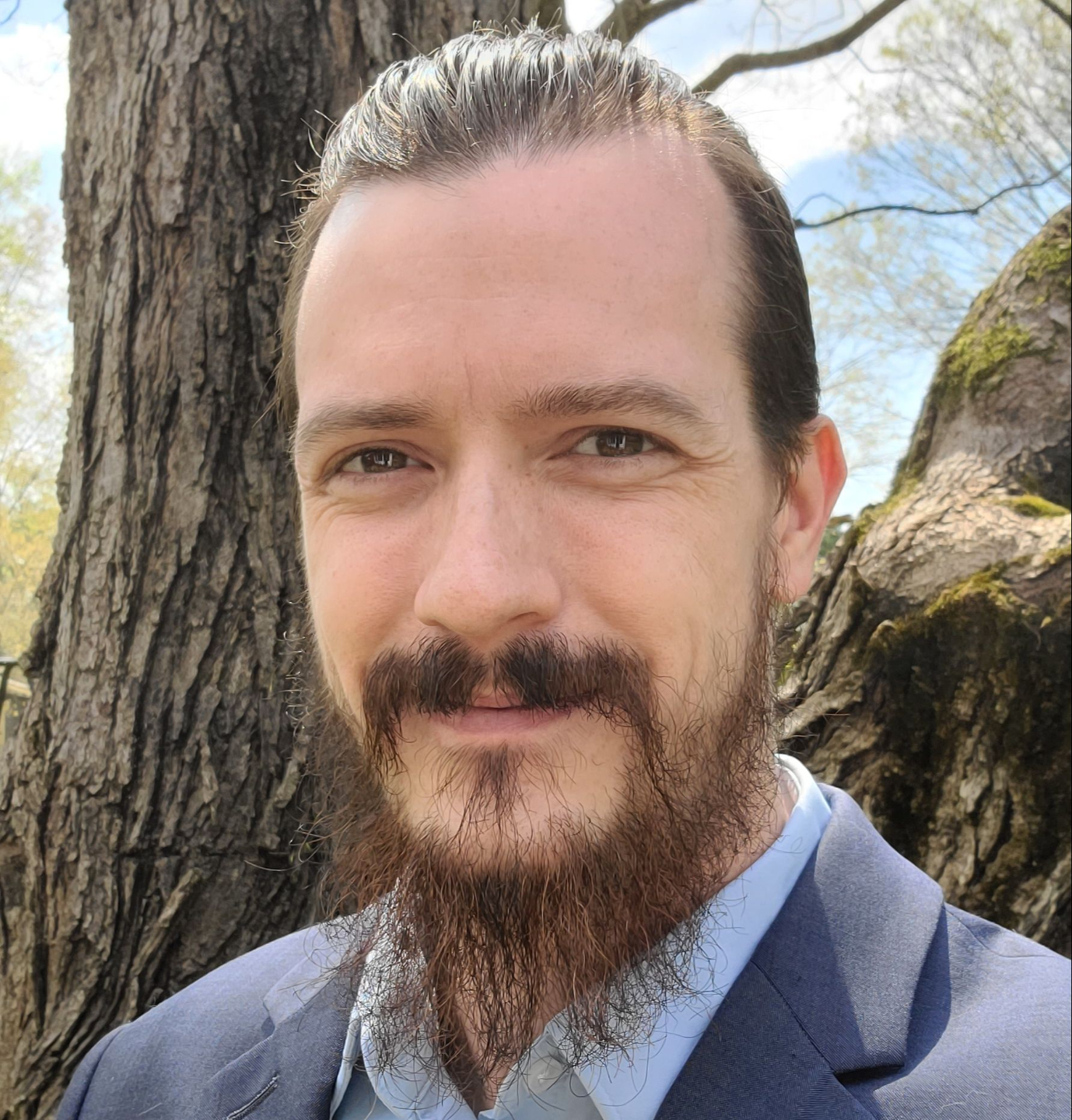
More Questions?
Can I access the program beyond 6 months?
Are there continuing education credits associated with this program?
Is there a certifying body for Integrative Psychiatry?
Can I learn at my own pace?
Can I interact with the instructor or ask questions while in the program?
Is this suitable for beginners in the field?
Still Not Sure?
Check out the first module for FREE to get a better feel of what will be covered in the program! See if the model aligns with you.
Get FREE Access to Module One